Worldwide Immigration Support for Corporations
Exploring Worldwide Migration: Movements, Challenges, and Potential in a Evolving World
Worldwide migration stays a crucial matter in our present-day interdependent world. Multiple elements motivate individuals to seek new opportunities beyond their borders. While hosting societies typically enjoy economic benefits from migrant populations, these individuals commonly confront significant obstacles. Understanding the complexities of migration requires careful consideration of historical contexts, current challenges, and emerging trends. What implications do these dynamics hold for both migrants and the societies they join?
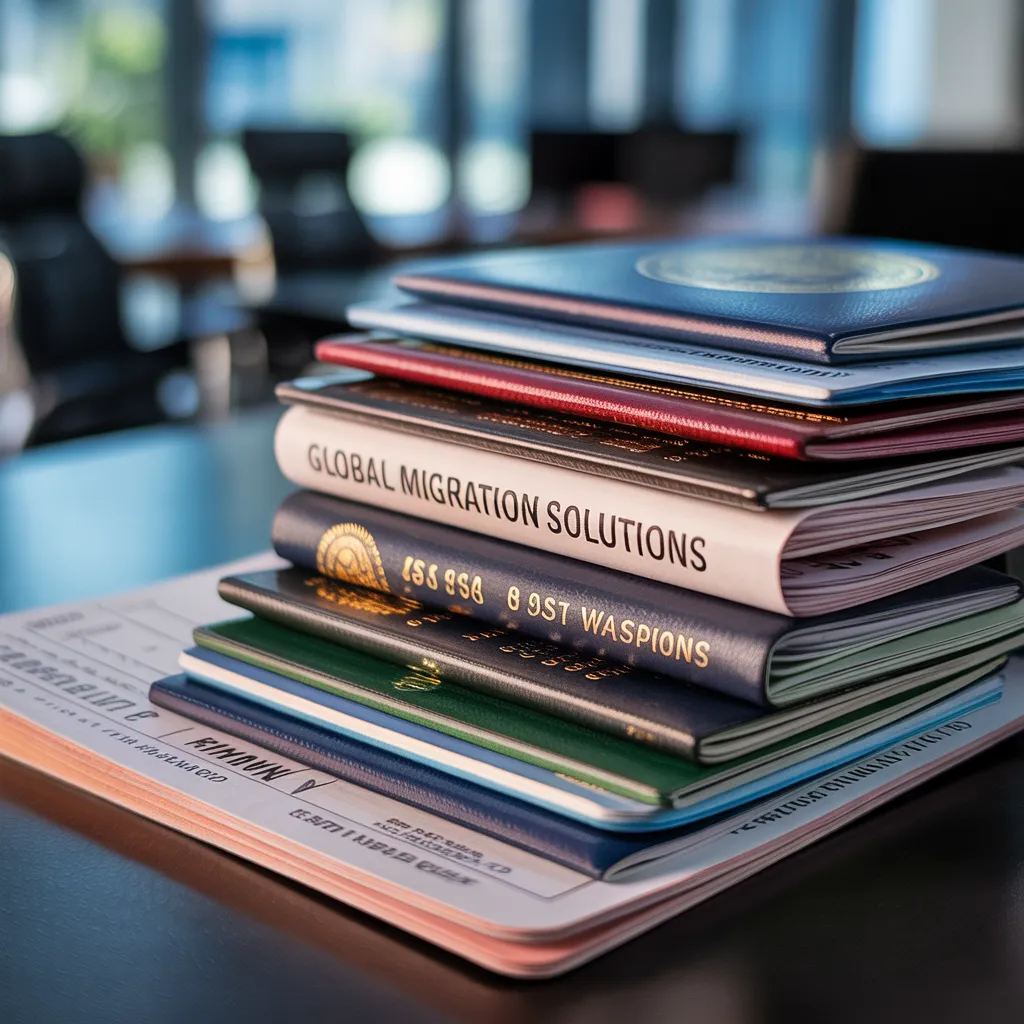
Historic Context of Global Population Movement
As migration has shaped human societies for millennia, comprehending its historical context reveals the intricate interplay of factors that have driven people to relocate. From ancient nomadic tribes pursuing fertile lands to the establishment of trade routes, migration has been critical to cultural exchange and economic development. The movement of peoples during pivotal historical events, such as the fall of empires, the spread of religions, and colonial expansions, exemplifies the adaptive nature of humans in response to changing environments and opportunities. The transatlantic slave trade, for instance, not only shattered lives but also altered demographics and economies on both sides of the ocean. In more recent history, conflicts, environmental changes, and globalization have continued to influence migration patterns. Each wave of migration has left an permanent mark, adding to the rich tapestry of cultural identities that shape contemporary societies around the globe.
Key Drivers of Migration
While multiple factors play into migration, essential drivers commonly emerge from a combination of economic, social, political, and environmental conditions. Economic opportunities serve as a main driver, as individuals pursue better jobs, higher wages, and improved living standards. Social factors, including family reunification and the desire for education, also play substantial roles. Political instability, conflict, and persecution can compel people to flee their home countries in search of safety and security. Additionally, environmental challenges, such as climate change, natural disasters, and resource scarcity, increasingly propel migration as communities become uninhabitable. These interconnected drivers create complex migration patterns, influencing the demographics and dynamics of both origin and destination countries. Understanding these drivers is essential for addressing the multifaceted nature of migration and developing effective policies to manage its implications globally.
The Effect of Migration on Receiving Countries
Immigration substantially influences host states, primarily through the economic impact of migrants. While they often fill labor shortages and stimulate growth, the integration of diverse populations creates substantial social challenges. Understanding these dynamics is critical for formulating effective policies that leverage benefits while addressing integration matters.
Migrants' Economic Impact
Numerous migrants have substantially shaped the economies of host states, commonly filling crucial labor shortages and contributing to economic growth. Their presence can stimulate multiple sectors, including agriculture, construction, and healthcare, where local labor may be inadequate. Migrants often bring varied skills and experiences, enhancing innovation and productivity within the workforce. Moreover, they contribute to public finances through taxes and consumption, reinforcing local economies. Small businesses commonly benefit from the entrepreneurial spirit of migrants, who create jobs and drive demand for goods and services. Collectively, the economic contributions of migrants not only support urgent labor needs but also foster long-term economic resilience and competitiveness in host nations, emphasizing their essential role in shaping modern economies.
Social Integration Challenges
While migration can benefit host societies culturally and economically, it also poses significant social integration challenges. Host countries often grapple with language barriers, which can hamper communication and reduce access to crucial services. Additionally, cultural differences may lead to misunderstandings and social tensions, creating an environment of xenophobia or discrimination. This can cause the marginalization of migrant communities, limiting their ability to participate fully in society. Economic disparities can also exacerbate tensions, as local residents may see migrants as competition for jobs and resources. Successful integration policies are essential to address these obstacles, promoting inclusivity and fostering understanding. Ultimately, successful social integration advantages both migrants and host communities, establishing a increasingly cohesive and resilient society.
Difficulties Encountered by Migrants
As individuals seek improved prospects and security, they regularly confront a myriad of challenges that complicate their journeys. Monetary struggles represent a substantial hurdle, with many migrants facing lack of work or partial employment in their receiving countries. Language difficulties additionally compound these challenges, obstructing correspondence and reach to vital services. Moreover, legal obstacles, like complex migration procedures and absence of proper papers, can make migrants exposed to manipulation and unfair treatment.
Another challenge is social isolation, as migrants may face challenges in creating connections in new surroundings. Cultural disparities may result in misunderstandings and contribute to feelings of alienation. Mental health challenges, arising from trauma or the stress of displacement, frequently remain unaddressed due to stigma or lack of resources. Taken together, these challenges underscore the intricate environment migrants must work through, illustrating the need for thorough support mechanisms to encourage their integration and prosperity in unfamiliar communities.
Humanitarian Responses and Policy Frameworks
Understanding the urgent needs of migrants, humanitarian efforts and policy frameworks have developed to address the intricacies of global migration. These frameworks are designed to protect the rights and dignity of migrants while guaranteeing their access to essential services. Governments and international organizations collaborate to create policies that promote safe and orderly migration, emphasizing the importance of human rights and humanitarian principles.
Humanitarian responses often include urgent aid, including food, shelter, and medical care, and also long-term assistance focused on integration and resettlement. Various international agreements, for instance the Global Compact for Safe, Orderly and Regular Migration, offer guidelines for countries to strengthen their response capacities. Moreover, civil society organizations serve an important part in supporting migrant rights and supplying direct assistance. In the end, effective humanitarian responses and solid policy frameworks are crucial in reducing the challenges encountered by migrants in an increasingly interconnected world.
The Role of Technology in Migration
Technology plays an essential role in shaping migration patterns and experiences. Digital platforms support the connection between migrants and resources, while communication tools boost access to information and support networks. Furthermore, data analytics offer insights into migration trends, guiding policies and responses.
Digital Systems for Migration
A considerable number of migrants currently utilize digital platforms to manage their journeys, changing the migration landscape. These platforms work as critical resources, offering information on routes, legal requirements, and available services. They promote connections between migrants and local communities, improving support networks and nurturing integration. Additionally, online job boards and housing platforms enable migrants to access work possibilities and accommodation options more easily. Social media also performs a critical role in sharing experiences and advice, arming migrants with valuable insights from those who have successfully managed similar paths. In summary, digital platforms not only optimize the migration process but also promote a sense of community and shared purpose among migrants worldwide, appreciably determining their experiences and outcomes.
Communication Technology's Significance
Digital communication platforms have fundamentally changed the way migrants connect with loved ones and assistance networks during their migration experiences. The advent of smartphones and social media platforms has made instant communication possible, permitting migrants documentation to share their experiences and seek assistance in real-time. Platforms such as WhatsApp, Facebook, and Skype facilitate sustained bonds, providing emotional support and decreasing feelings of isolation. Moreover, these tools allow migrants to access crucial information regarding their rights, work possibilities, and legal resources in their host countries. Digital networks also foster a sense of community and unity among migrants from similar backgrounds, enhancing their adaptation process. Overall, technology plays a significant role in empowering migrants, helping them navigate the complexities of their new environments more effectively.
Data Migration Analytics
Data analytics integration into migration processes has significantly improved the understanding of migration patterns and trends. By evaluating vast amounts of data from diverse sources, including social media, immigration records, and economic indicators, researchers and policymakers can determine factors influencing migration decisions. This analytical approach facilitates the forecasting of migration flows, assisting in forecasting potential challenges and opportunities. Moreover, data analytics promotes more effective resource allocation by exposing areas in need of support or intervention. Additionally, technology-driven platforms facilitate real-time monitoring of migration dynamics, fostering timely responses to emerging issues. Overall, the application of data analytics provides an extensive framework for addressing the complexities of global migration in an increasingly interconnected world.
Upcoming Developments in Worldwide Migration
With climate change accelerating and global political tensions escalating, future trends in global migration are expected to shift dramatically. Specialists project an increase in climate refugees as increasing water levels, catastrophic weather patterns, and diminishing resources compel populations to migrate. Territories like Sub-Saharan Africa and South Asia may experience elevated population movements, exacerbated by fiscal instability and civil discord.
In addition, urbanization patterns will likely lead to significant migration flows in the direction of megacities, which can offer improved opportunities notwithstanding potential pressure and overcrowding on existing infrastructure.
Furthermore, migration policies could become ever more restrictive in response to security concerns, affecting the movement of individuals pursuing asylum or economic prospects.
Finally, technology will play a vital role in molding future migration patterns, with advancements supporting remote work and virtual connections, likely reducing the necessity for physical relocation. Collectively, these factors will redefine the landscape of global migration in the forthcoming decades.
Frequently Asked Questions
How Is Climate Change Shaping Global Migration Patterns?
Global climate shifts considerably influence global migration patterns by creating environmental degradation, resource scarcity, and extreme weather events. These factors drive individuals and communities to relocate in search of safer and more viable living conditions and opportunities.
What Part Do Remittances Play in the Home Countries of Migrants?
Remittances greatly bolster the home nations of migrants by providing critical financial support. These resources enhance household income, energize local economies, and contribute to poverty reduction, thus encouraging development and improving living standards for family members who stayed.
How Can Local Communities Aid Incoming Migrants?
Local areas have the ability to support new migrants by creating inclusive environments, offering access to learning programs and career prospects, delivering language assistance, promoting cultural exchange, and building networks that support integration and social cohesion across the community.
What Are the Emotional Consequences of Migration for Individuals?
Migration can lead to various psychological impacts on individuals, including depression, anxiety, and challenges with self-identity. Additionally, experiences of isolation or cultural dislocation may arise, influencing overall mental well-being and social integration within new communities.
How Do Cultural Exchanges Occur Between Migrants and Host Societies?
Intercultural exchanges between migrants and host societies unfold through collective traditions, culinary practices, language learning, and social interactions. These exchanges foster mutual understanding, enrich cultural diversity, and contribute to the social fabric of communities.